Orchestrating a great event is only half the battle in event production. The other half is making sure the content around it works before, during, and long after attendees head home.
One of the most common mistakes organizations make is treating video content as a single line item. The on-stage content comes from one vendor, the live show is run by another, and the post-event recap is pieced together from whatever footage happened to be captured. Every piece gets made, but none of them are made to work together.
That’s why the most effective event teams don’t simply film their events. They plan the content around the whole lifecycle.
One Event, Three Content Stages
An event generates content needs at three distinct stages: what’s presented on stage, what’s produced live in the room, and what’s distributed after the event ends. Each stage feeds the next, allowing a keynote opener to become a promotional asset, live capture to become highlight reels and social clips, and post-event content to become your best pitch for next year.
1. Before the event
Promotional videos, ROS, brand alignment and differentiators set the tone and pace. Watch our sizzle for Inspire Leadership Network’s Converge:
2. On site
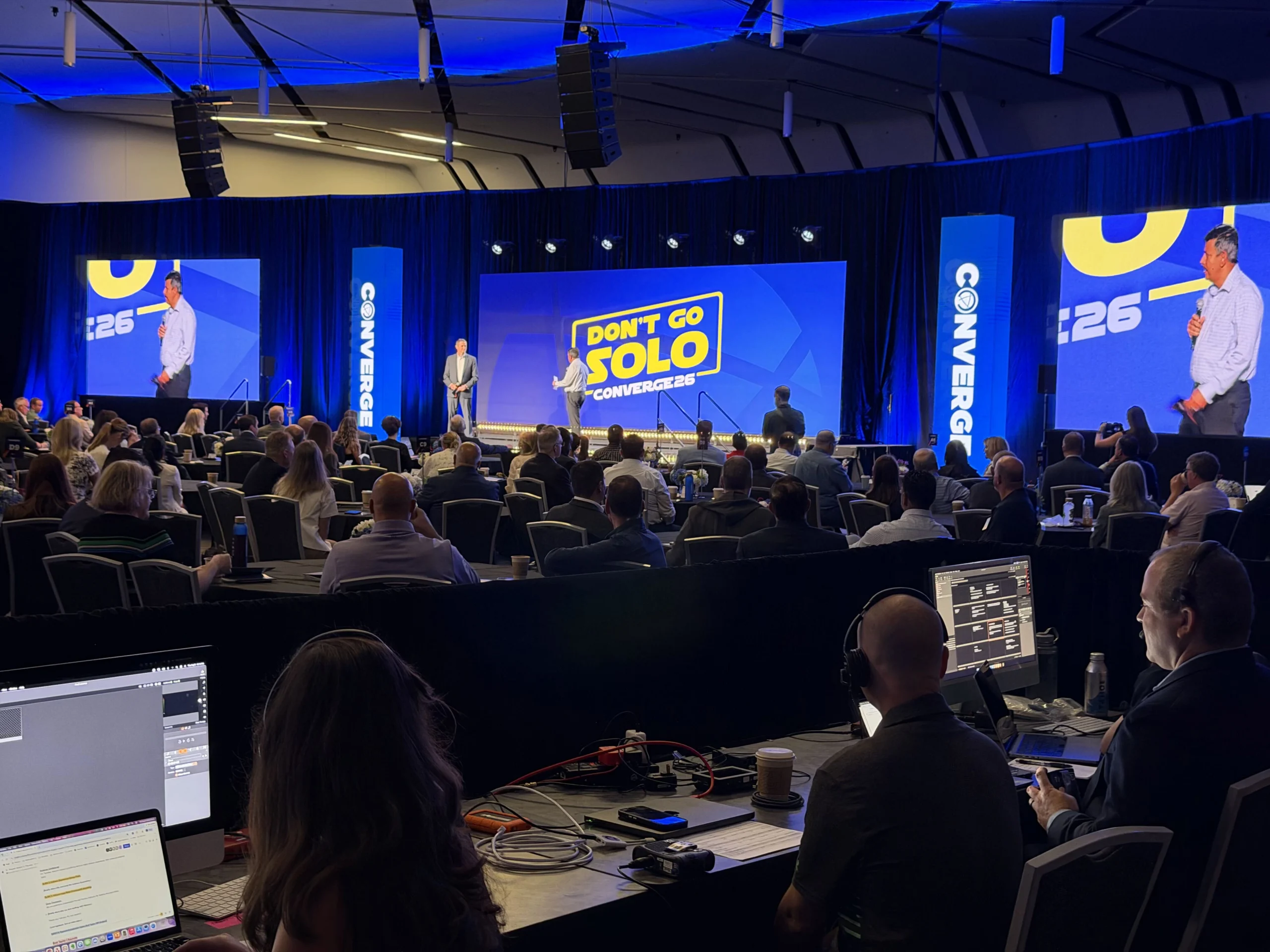
Multi-camera filming, real-time switching, and coordinated playback keep the show polished while capturing every key moment.
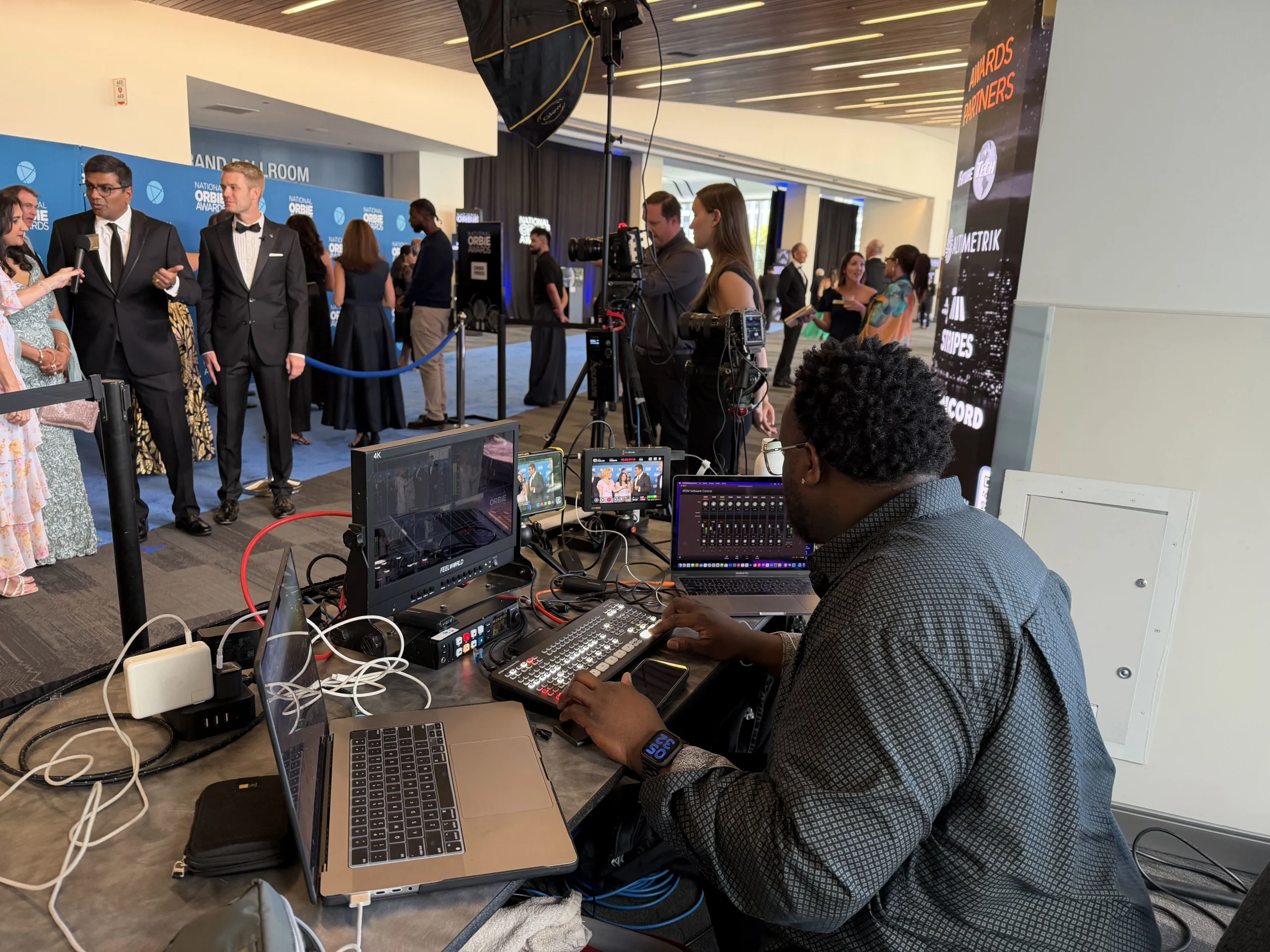
3. After the event
Highlight reels, keynote clips, and testimonial edits fuel next year’s registration and sponsorship campaigns. Watch our Highlight Reel for Inspire Leadership Network’s Converge26:
Instead of asking, “Who’s filming the event?” Experienced production teams like ours ask:
- What does the audience need to see and feel the moment the lights go down?
- Which moments on stage will matter most after the event?
- What do we need to capture on site to support next year’s marketing?
The goal isn’t more footage, it’s to shoot with a purpose. See how we elevated the keynote presenters’ experiences with customized introductions for Inspire Leadership Network’s Converge26:
Why Executive Audiences Raise the Bar
When a room is full of CIOs, CISOs, and C-suite leaders from Fortune 500 companies, production quality becomes part of the brand promise. They notice when a transition lags or when on-screen content feels like an afterthought.
And when speakers include leaders from Delta, the NFL, The Home Depot, Uber, and Harvard, the content surrounding them has to match their caliber. Production isn’t decoration in this environment. It’s what frames the experience as worth an executive’s time.
How Full-Cycle Production Helps Converge Engage Hundred’s of C-Level Executives
This approach is at the heart of Between Pixels’ partnership with the Inspire Leadership Network on Converge, a three-day transformational leadership experience that has travelled from Georgia to Dallas, New York, and the Bay Area, with Washington, D.C. up next.
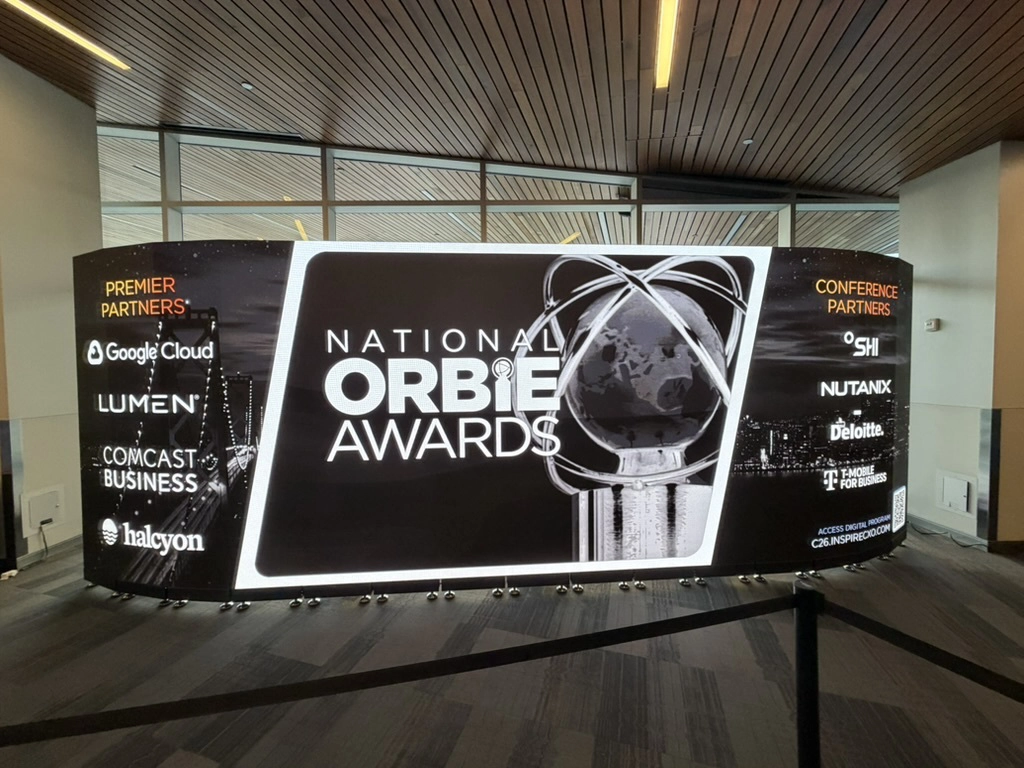
Between Pixels handles the full event lifecycle: on stage video assets, themed keynote packages for the LED screens, custom graphics, live production and filming on site, post-event content, and content for the National ORBIE Awards that closes Converge.
That consistency has supported Converge’s growth. What began as an event exclusively for CIOs has expanded to welcome CISOs and now CMOs, drawing hundreds of C-level executives to each event. Throughout that growth, Between Pixels has worked alongside Inspire as a strategic partner, bringing recommendations to each new edition so every Converge builds on the last.
Read more about our success story:
A Strategic Partner, Not an Order Taker
Many vendors treat event content as a checklist: produce what was requested and move on. A strategic partner learns the client’s goals and audience, brings ideas before they’re asked, and speaks up when a request won’t serve the bigger picture. That candor depends on trust, built over time, so every production starts further ahead than the last.
An order taker delivers what was asked for. A strategic partner delivers what the event actually needs.
The Best Event Content Is Planned, Not Captured
When one team owns the on-stage content, the live show, and the post-event deliverables, every asset reinforces the same story. And when event teams start thinking of video as something that carries the event from one year to the next, they unlock far more value from every production.